
Innovative Approaches to Tackling Glioblastoma: Research Program Insights
12/28/20252 min read
Overview of the Research Program
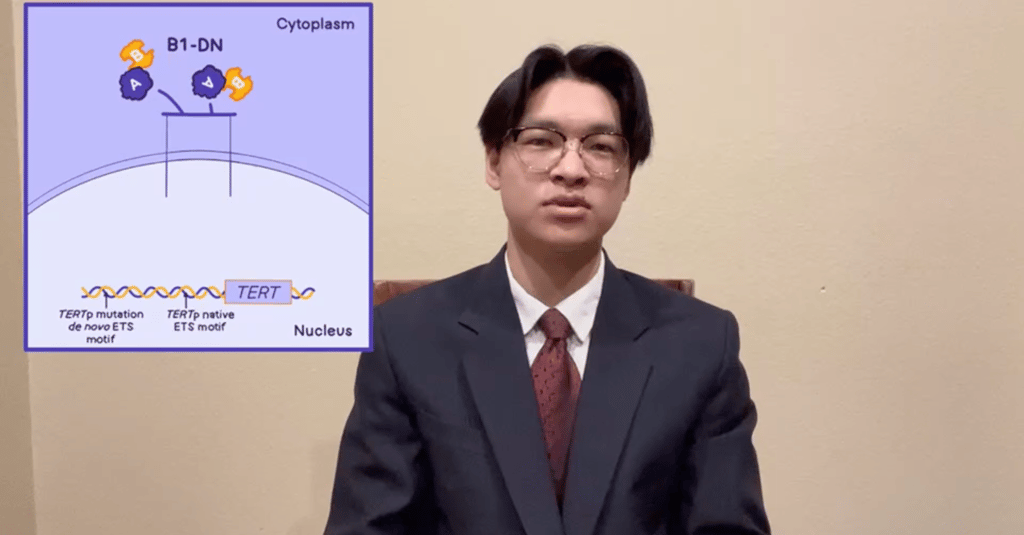
This year, our research program focused on groundbreaking strategies to confront one of the most formidable challenges in oncology: glioblastoma (GBM). This aggressive brain cancer, known for its resilience and poor prognosis, has been the subject of intense investigation. Joshua, Regional Co-Director of California for the Kids Cancer Foundation, took on the challenge of developing novel approaches to combat this malignancy through his project titled “Grand Theft Transcription Factor.”
Understanding Glioblastoma and Telomerase
Glioblastoma often exhibits mutations that reactivate telomerase, an enzyme that facilitates the immortality of cancer cells. This characteristic allows GBM cells to evade the normal processes of cell death, thus contributing to the relentless progression of the disease. Directly targeting telomerase poses significant toxicity risks; hence, innovative solutions are paramount. Within this context, Joshua's approach aims to disable GABP, a protein responsible for the reactivation of telomerase, presenting a tantalizing opportunity to hinder tumor growth without the associated risks of direct telomerase inhibition.
Strategic Innovations in Cancer Therapy
Joshua's approach involves several key strategies that have shown remarkable promise in laboratory settings. First, he designed modified GABP proteins incapable of activating telomerase. By reengineering these proteins, the objective is to mitigate their impact on telomerase activity significantly. Furthermore, another vital aspect of his strategy involves preventing the modified GABP proteins from entering the nucleus—the command center of the cell where DNA resides—effectively curbing the tumor’s growth potential.
The preliminary results from the lab tests are encouraging, achieving up to an 80% reduction in telomerase activity. This reduction is significant in redirecting the battle against GBM, as it disrupts the immortality of the cancer cells, enabling the body's immune system and other treatments to exert more substantial effects against the tumor.
Conclusion and Future Directions
In conclusion, Josh's innovative research under the umbrella of our program exemplifies the forefront of scientific inquiry into glioblastoma. By targeting GABP, we are not only advancing our understanding of the genetic underpinnings of GBM but also paving the way for novel therapeutic interventions. Future research will focus on validating these findings in preclinical models and ultimately translating this work into clinical applications, with the hope of providing new avenues of treatment for patients plagued by this aggressive form of cancer.
Empowerment
Join us in the fight against pediatric cancer.
Support
Join the fight against cancer
contact@kidscancerfoundation.org
203-340-1122
© 2025. All rights reserved.
Kids Cancer Foundation is a registered 501(c)(3) nonprofit organization (EIN: 39-3142415).